The policies of the Turkish occupation have caused severe damage to electricity production in the North and East Syria region, with electricity output dropping by more than 90 percent as a result of the direct targeting of power generation stations, in addition to the reduction of water inflows into the Euphrates River.
The urgent need for electrical energy increases with the onset of winter, at a time when the North and East Syria region is suffering from continuous targeting by the Turkish state of this vital sector. This includes repeated attacks on power generation stations and the continued withholding of Euphrates River water, leading to a near-total paralysis of dam power plants, which are considered the most important source of electricity in the region.
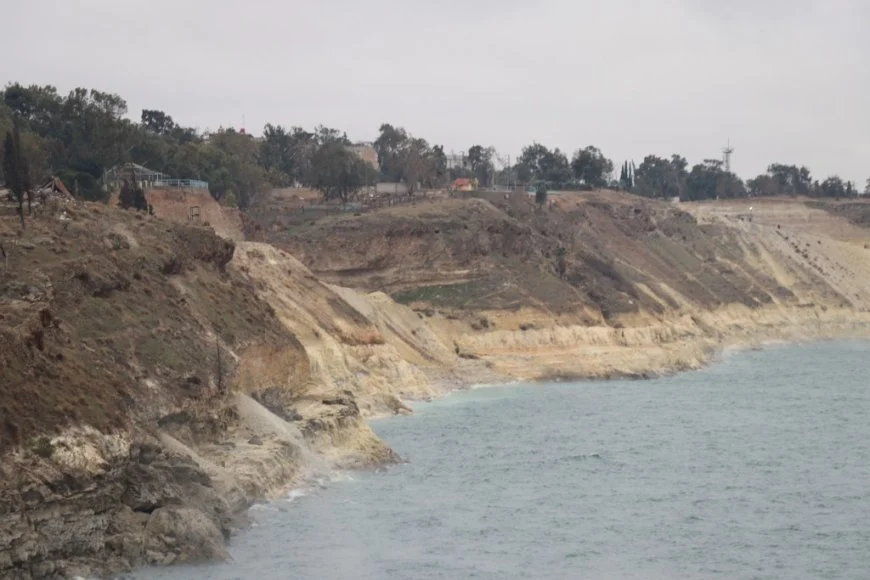
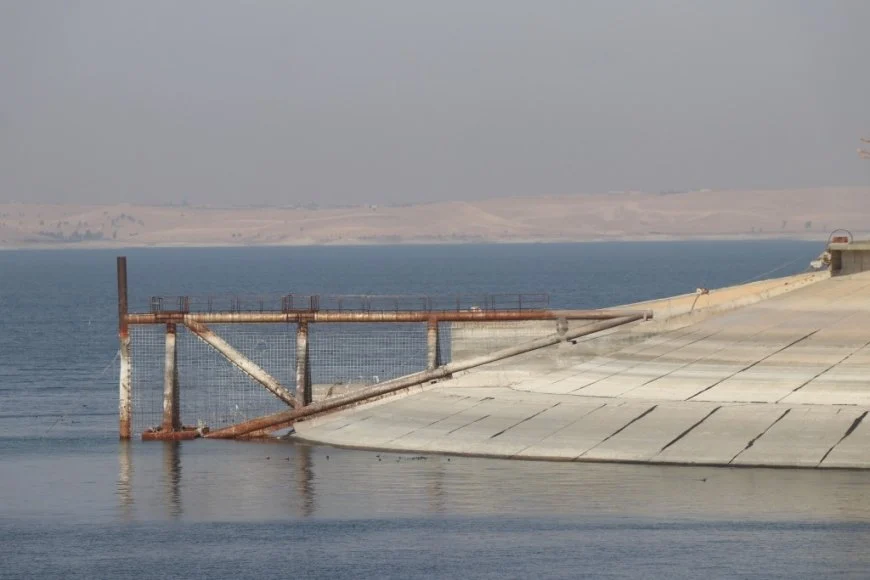
In this context, Imad Obeid, member of the General Administration of Dams in North and East Syria, explained that the Euphrates River is witnessing an unprecedented drop in water levels due to the decline in water inflows from the Turkish side. The water level of Lake Euphrates has fallen from 302 meters above sea level to less than 295 meters, meaning a loss of more than seven meters in the lake’s level.
He noted that the current water inflow of the Euphrates River from the Turkish side is 250 cubic meters per second, while the 1987 agreement signed between Syria, Iraq, and Turkey stipulates the release of 500 cubic meters per second, to be shared between Syria and Iraq at 42 percent and 58 percent respectively.
However, Turkey is not adhering to this agreement and has reduced the amount by half since the beginning of 2025. This has led to the depletion of water resources between drinking water, agriculture, and evaporation, and to reliance on the strategic reserves of Lake Euphrates for electricity generation.
Dams Are the Main Sources
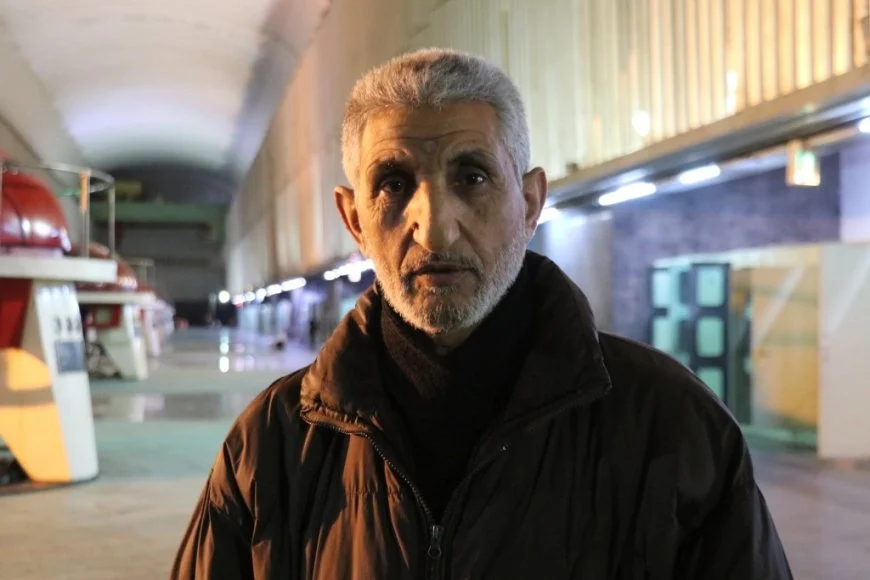
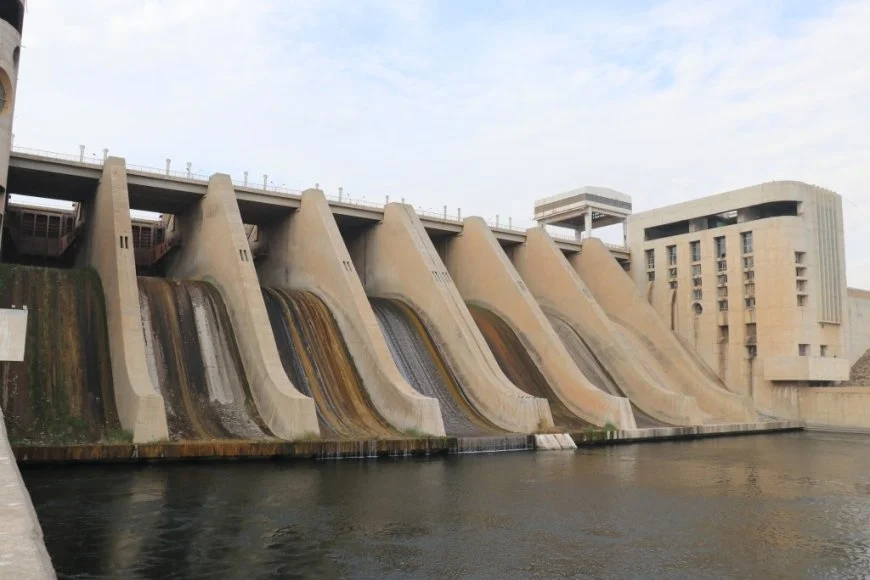
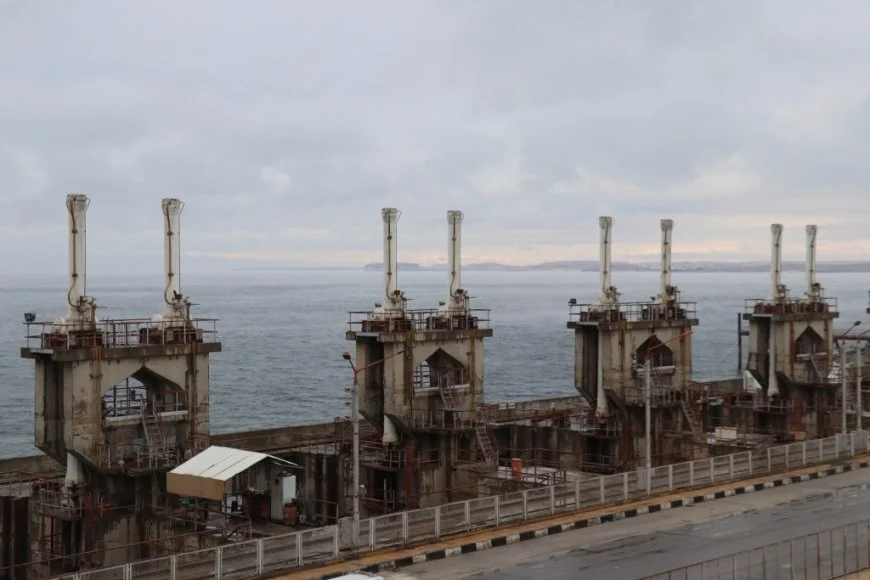
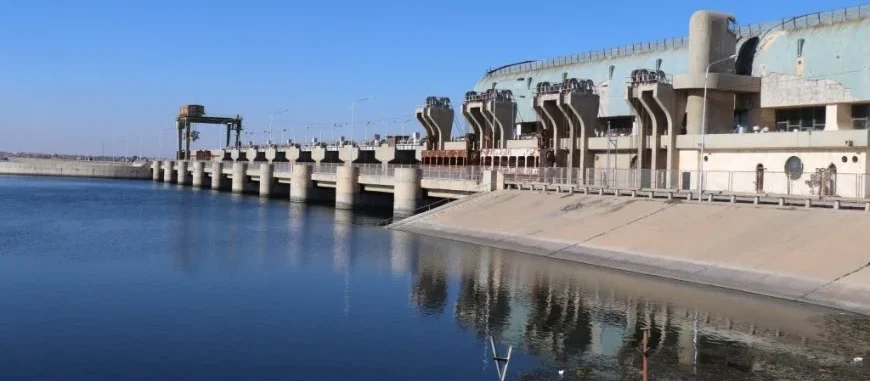
Obeid pointed out that this decline has negatively affected electricity generation at the Euphrates River dams—Tishreen Dam, Euphrates Dam, and Qadiran Dam (formerly al-Hurriya)—which form the backbone of electricity production in North and East Syria.
The maximum production capacity of Tishreen Dam is 630 megawatt-hours, but current production does not exceed 50 megawatt-hours due to reduced water inflows. The Euphrates Dam has a maximum capacity of 880 megawatt-hours, while its current production does not exceed 60 megawatt-hours because of the low lake level and limited inflows.
As for Qadiran Dam (formerly al-Hurriya), its maximum production capacity is 90 megawatt-hours, while current production does not exceed 15 megawatt-hours.
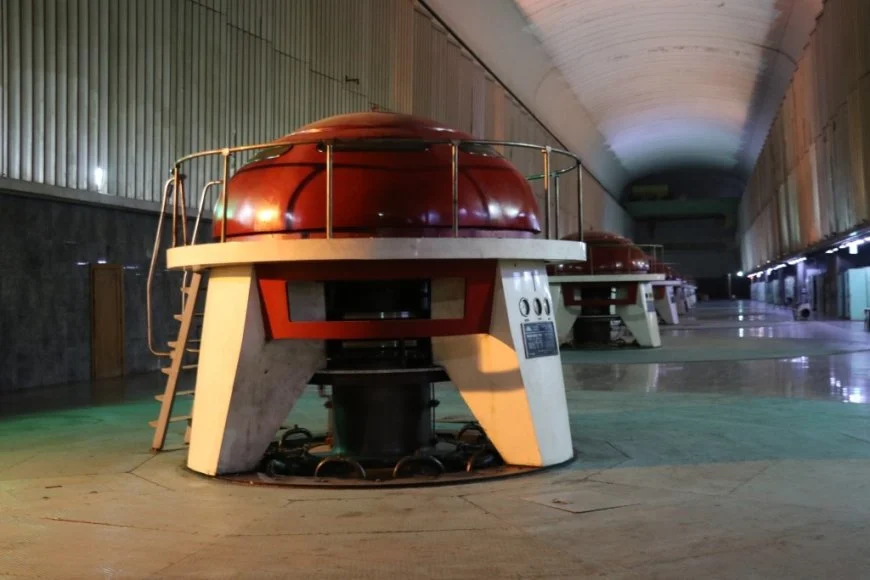
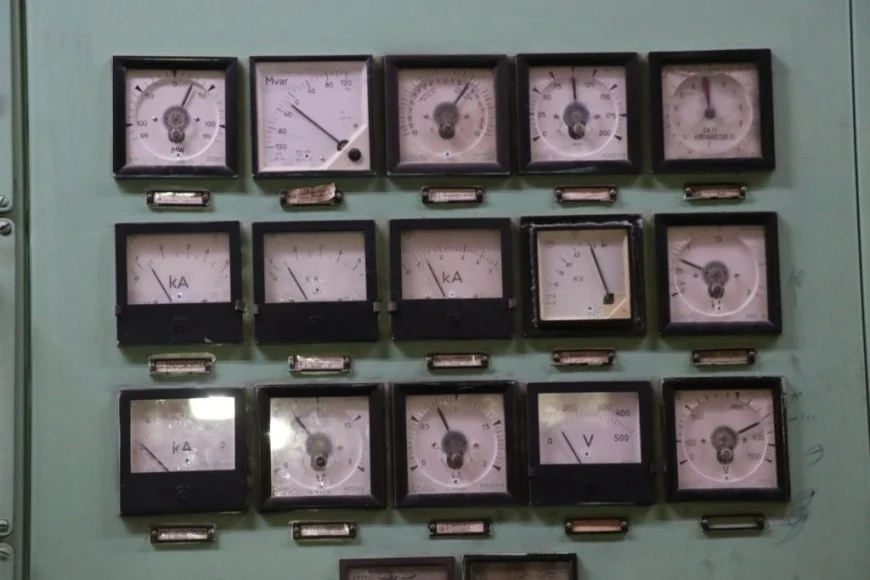
Obeid confirmed that the decline in electricity generation at the three dams is directly linked to reduced water inflows from the Turkish side. The Euphrates Dam contains eight turbines, Tishreen Dam six turbines, and Qadiran Dam three turbines. Under normal Euphrates River levels, total production reaches about 1,600 megawatt-hours, but it has now dropped to only 125 megawatt-hours due to the declining water level.
Lack of International Grid Connection
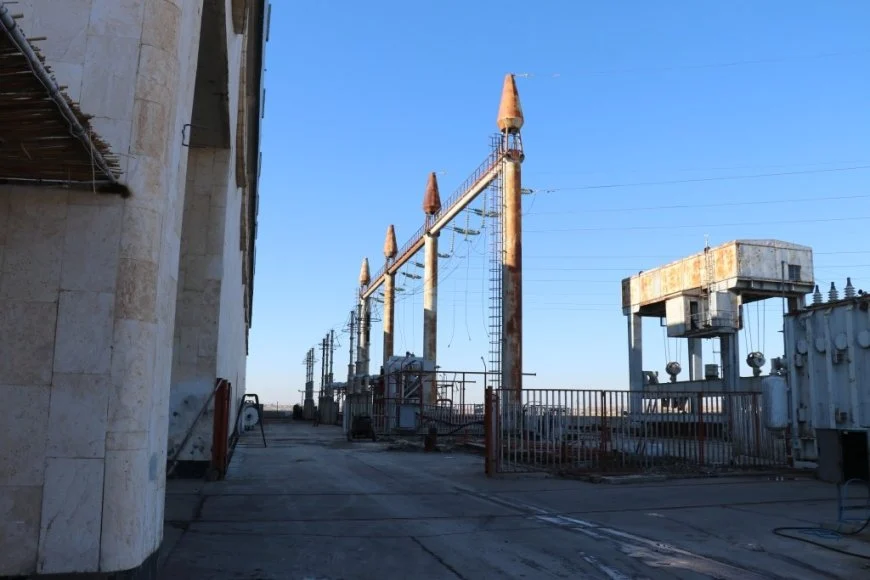
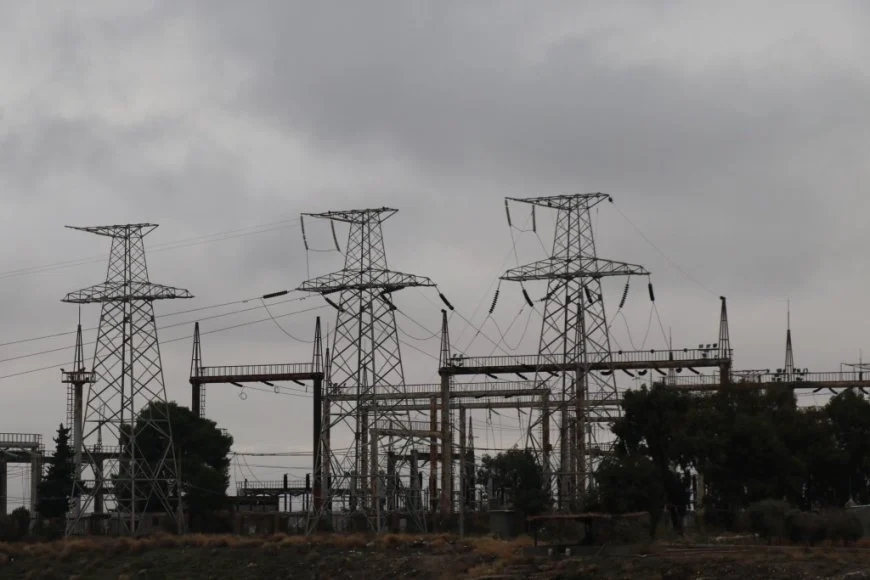
Obeid added that before the events in Syria, the dams were connected to an international electricity grid that included Syria, Egypt, Jordan, Turkey, and Lebanon. Currently, this connection is suspended, and only an internal link with the Syrian grid remains. These transmission lines are not ready due to damage sustained during years of war, depriving the region of the opportunity to be supplied with electricity and achieve grid stability.
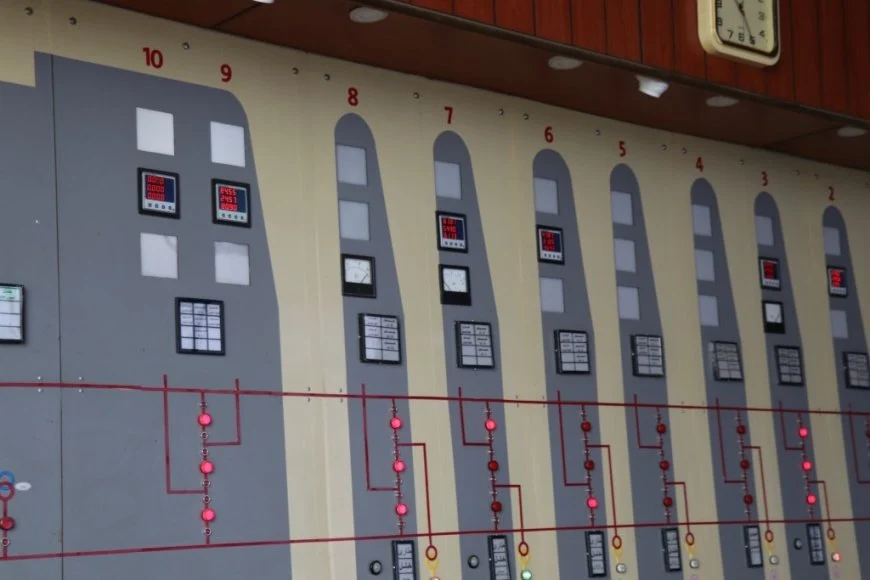
He noted that dam generation units operate around the clock, and the produced electricity is distributed across various areas of the North and East Syria .
He pointed to an important technical issue, noting that the electricity generation units in the dams are of the vertical Kaplan turbine type. This requires a minimum water head of no less than 40 meters at the Euphrates Dam in order to generate electricity. The head is measured by the difference between the water level upstream and downstream of the dam. As for Tishreen Dam, its turbines require a minimum head of 5 meters, while Qadiran Dam requires 9 meters. Any drop below these levels leads to a halt in electricity production, even if water quantities are available.
Marginalization of Infrastructure
For his part, the Co-Chair of the Energy Authority in North and East Syria, Ziad Rustam, explained that power generation sources in the region were almost nonexistent, as the area had been strategically marginalized, particularly in the energy sector. Out of 14 thermal and gas power plants in Syria, there is only one thermal plant in the Jazira, located in al-Suweidiya, which at its best produced 125 megawatt-hours.
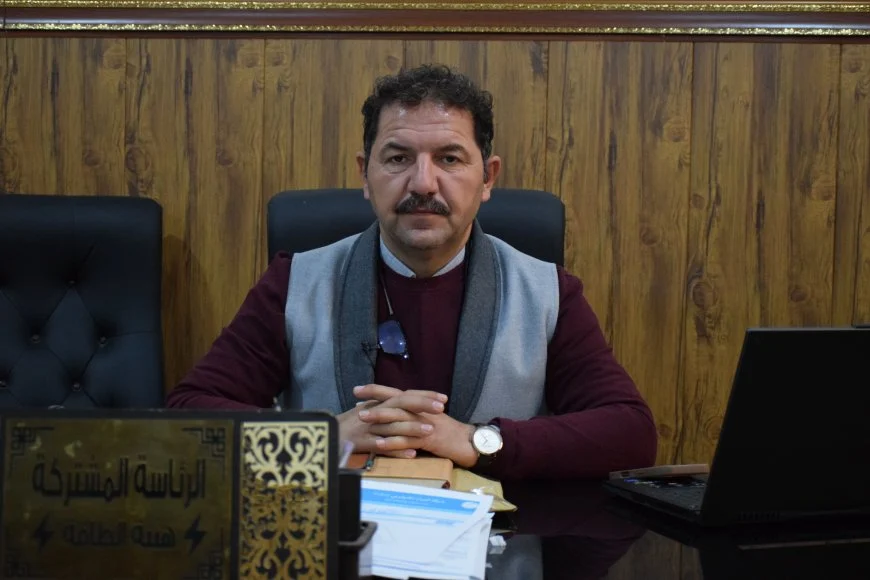
Rustam clarified that the sole plant in al-Suweidiya, due to its age, poor technical condition, and exposure to Turkish warplane strikes two years ago, has become a power plant in name only. Its current production does not exceed 10 megawatts, which is extremely small compared to the Jazira Canton’s needs, which exceed 600 megawatts—meaning it covers no more than 1–2 percent of demand.
He added that the second plant is the Jibsa plant, a small facility established by the Autonomous Democratic Administration in the Jazira region in 2019. It includes three gas turbines, each with a nominal capacity of 10 megawatts. However, actual capacity does not exceed 6 megawatts per turbine, with total production ranging between 12 and 15 megawatts at best. This amount is insufficient even to meet the essential needs for oil production or vital services such as drinking water, mills, hospitals, and healthcare facilities.
Consumption Levels and Possible Solutions
Rustam stated that total electricity generation in North and East Syria—from hydroelectric and gas plants—does not exceed 100 megawatts, while demand across this vast geography exceeds 1,300 megawatts. This means production covers only about 10 percent of actual needs.
He pointed out that current conditions, in addition to the long-standing blockade and the lack of political agreements or official recognition of the Autonomous Administration, have prevented the signing of official contracts with international companies to build new power plants or rehabilitate existing ones. This is compounded by financial and banking complications related to money transfers.
He also noted that ongoing daily Turkish threats discourage any company from investing, due to fears of shelling or systematic sabotage.
Rustam emphasized that energy authorities across the regions are currently focusing on preserving existing dams and gas plants, protecting transmission and generation stations, preventing further deterioration, and ensuring the minimum supply of electricity for vital needs such as drinking water, mills, healthcare facilities, and essential infrastructure that cannot be dispensed with.
Meters Help Ease the Crisis
Ziad Rustam also pointed out that among the measures taken is a project to install electronic electricity meters—prepaid or postpaid—to curb random consumption and rationalize the use of available electricity.
He explained that this project has been ongoing for three years, starting as a pilot in the town of al-Jarniyah, then expanding to cover 70–80 percent of the Tabqa Canton.
He added that it also includes the Euphrates canton in Kobani and its countryside at a rate of 50 percent, as well as areas in Raqqa and the Jazira at varying levels.
In the Jazira Canton, however, coverage does not exceed 10 percent and is limited to some connected villages and specific points in the city of Derik (al-Malikiyah), in addition to certain facilities and hospitals supplied through service lines in Qamishli and Hasaka.
He noted that such projects require further development, pointing out that work is underway to launch the project in Deir ez-Zor during the coming year. He stressed that development is ongoing, both in terms of the quality of meters and methods of billing and payment, as well as transitioning to electronic systems via smartphones.
Rustam pointed out that the fundamental solution lies in building new power generation plants, a matter that is linked to political, security, and economic understandings between North and East Syria and the central state in Damascus. If such consensus is achieved, the door could be opened to investors, and the import of turbines and spare parts could be secured without being targeted.
He noted that the region possesses the raw materials needed to produce energy, such as oil and gas. However, gas turbines are manufactured by a very limited number of global companies—no more than ten—requiring official political, security, and financial guarantees to engage with them.
Coordination Without Exchange
Rustam, also addressed the issue of coordination between the Energy Authority in North and East Syria and the Energy Authority of the Syrian transitional government. He explained that technical communication is ongoing, as the Syrian electricity grid is looped and interconnected. However, there is no exchange of electricity due to the lack of surplus on either side.
He added that the existing interconnection is limited to maintaining voltage stability and protecting internal networks, in addition to coordination to preserve stable water levels for drinking water and irrigation from the reservoirs of the Euphrates Dam and Tishreen Dam.